
Bed Bug Control
Inspection-first bed bug treatment for Arizona homes and multifamily units, addressing an infestation fully instead of chasing it room to room.
How bed bug control works
- 1
Inspect thoroughly
Mattress seams, box springs, headboards, baseboards, and outlet covers get checked in every room that could be affected — bed bugs spread beyond the bedroom faster than most people expect.
- 2
Confirm the full extent
In multifamily units, adjoining units get considered too, since bed bugs travel through shared walls, outlets, and hallways — treating one unit in isolation often means the problem returns from next door.
- 3
Treat thoroughly, not selectively
Partial or spot treatment is one of the most common reasons bed bug problems come back — treatment addresses the full extent found during inspection, not just the bed itself.
- 4
Follow up and confirm
A follow-up inspection confirms treatment worked, since bed bug eggs can survive an initial treatment and hatch afterward if not fully addressed.


Pests covered
- Bed bugs
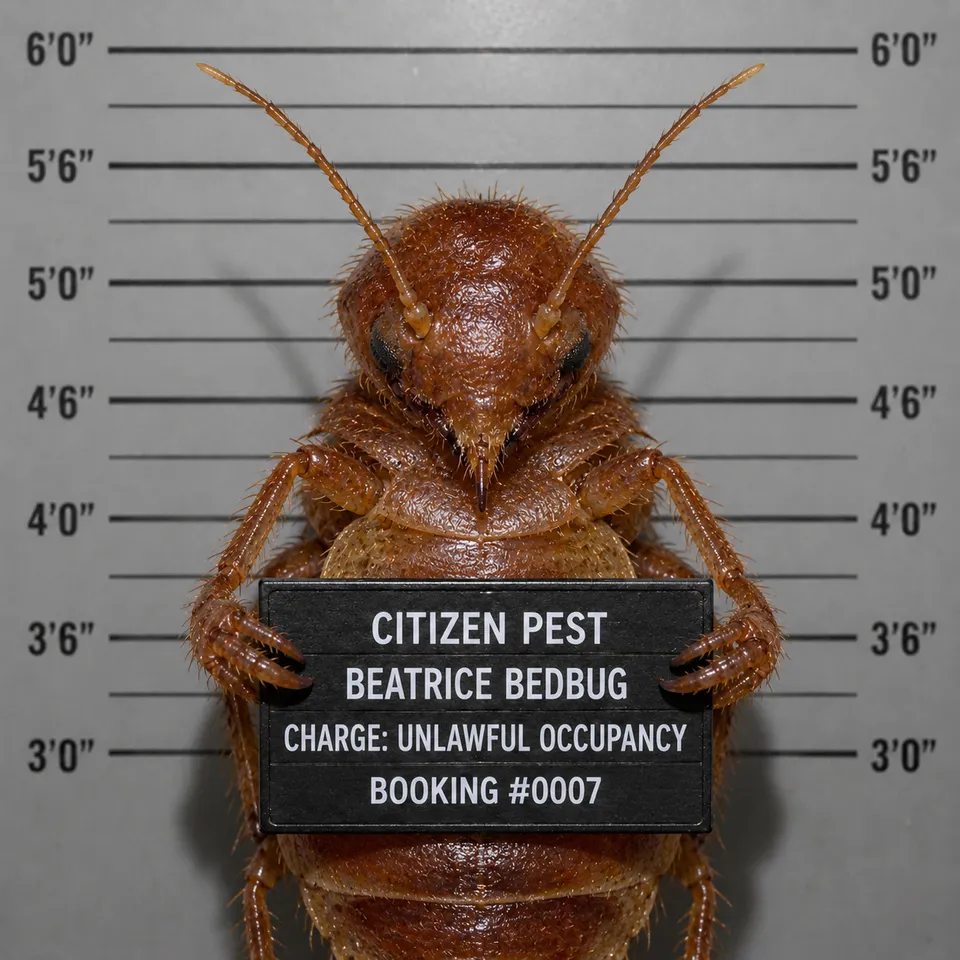
Bed bugs are one of the few pests where a partial fix is often worse than no fix at all — spot-treating just the mattress while missing activity in a baseboard or outlet cover tends to leave enough of the population intact for it to rebound. Citizen Pest Control starts every bed bug service with a thorough inspection across every room that could realistically be affected, not just the bedroom.
It’s not a cleanliness issue
Bed bugs get introduced through travel and contact — a hotel stay, used furniture, a shared laundry room, a ride home in a guest’s bag — not through housekeeping. This matters for how a treatment plan gets built: the question isn’t “how did this happen,” it’s “how far has it actually spread,” since bed bugs can move well beyond the bed itself within days.
Multifamily properties need a wider view
In apartments, condos, and shared-wall housing, bed bugs travel through outlets, baseboards, and common hallways between units, which means treating a single reported unit in isolation often just means the population re-establishes from next door. Property managers dealing with a multi-unit bed bug issue should see commercial pest control for building-wide service coordination.
Check if bed bug control is available at your address
Frequently asked questions
Does having bed bugs mean my house is dirty?
No — this is one of the most persistent myths about bed bugs. Cleanliness has essentially nothing to do with it; bed bugs are introduced by travel (hotels, used furniture, luggage) and spread through contact, not through housekeeping.
How do bed bugs spread between apartments?
In multifamily buildings, bed bugs travel through shared walls, electrical outlets, baseboards, and common hallways, and can move between adjoining units without ever crossing an exterior wall. That's why apartment and condo treatment usually needs to consider neighboring units, not just the one reporting activity.
Do you use heat treatment or chemical treatment?
TODO(Citizen): confirm which treatment method(s) you offer for bed bugs (heat treatment and chemical treatment have different prep requirements and costs) so this answer reflects your actual service.
How do I prepare my home before a bed bug treatment?
TODO(Citizen): add your standard prep checklist (e.g., laundering and bagging linens, decluttering around the bed) so customers arrive prepared for their first visit.
Ready to get rid of bed bugs for good?
Get a free, no-obligation quote in minutes.
Related services
General Pest Control
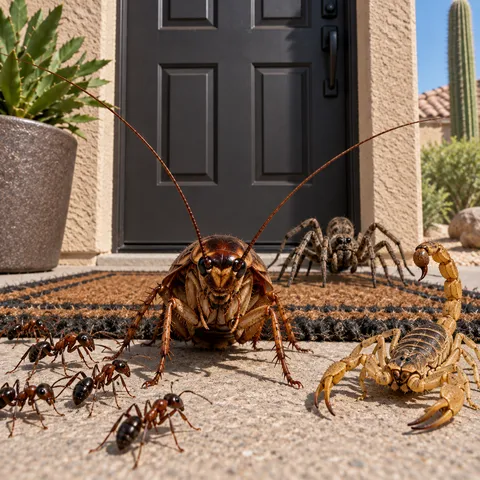
Year-round protection against the everyday pests that show up in Phoenix Valley homes — ants, roaches, spiders, and the rest — with a recurring service plan built around your property.
Learn more about General Pest Control →
Commercial Pest Control
Scheduled pest management for Arizona restaurants, warehouses, offices, HOAs, and multifamily properties, built around inspection documentation and business hours.
Learn more about Commercial Pest Control →