
Weed Control
Pre-emergent and post-emergent weed control timed to the Valley's two germination windows, built for desert rock landscaping as much as grass and gravel drive strips.
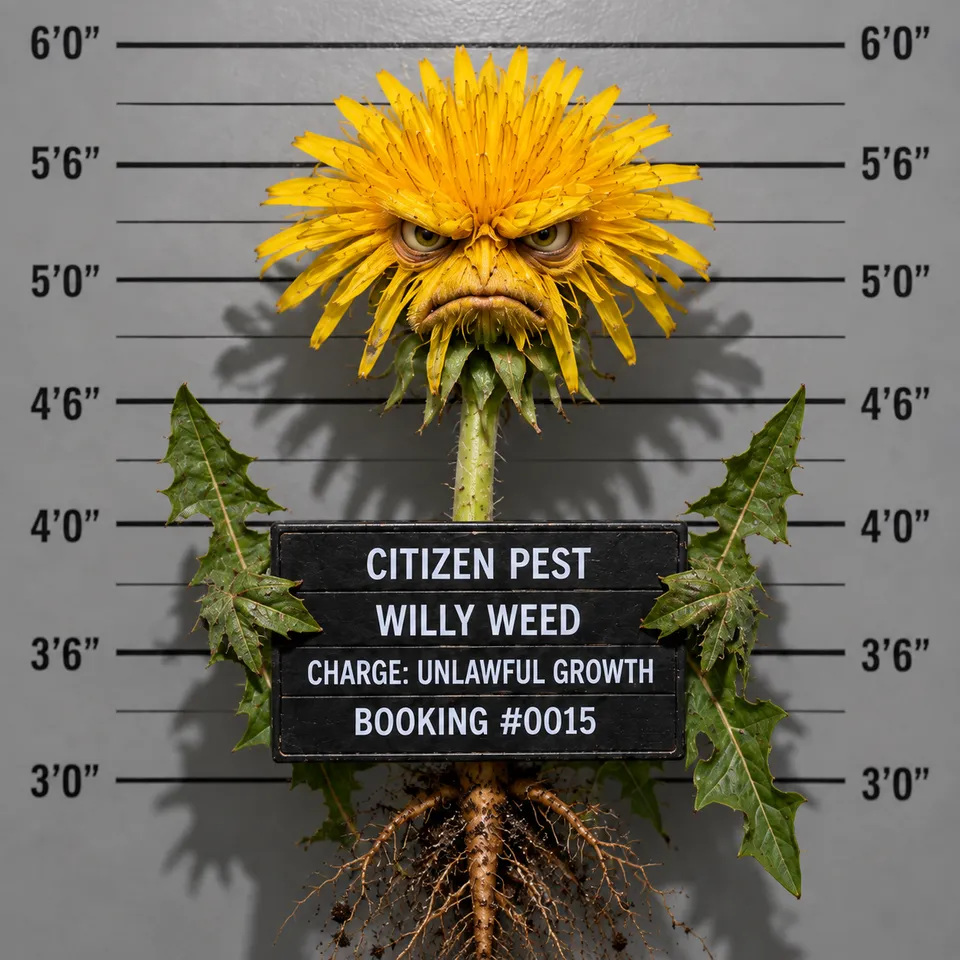
How weed control works
- 1
Identify the timing window
The Valley has two distinct weed germination windows — after monsoon rain in summer and after winter rain — and treatment timed to the wrong window is far less effective.
- 2
Apply pre-emergent before germination
A pre-emergent barrier applied ahead of the seasonal germination window stops weed seeds from establishing in rock landscaping, gravel drive strips, and planter beds before they're ever visible.
- 3
Spot-treat existing growth
Already-established weeds — puncturevine along walkways and drive strips is the most common complaint — get direct post-emergent treatment.
- 4
Reassess before the next window
Since pre-emergent barriers break down over time, treatment is re-applied ahead of the next germination window rather than left to lapse.


Pests covered
- Puncturevine (goathead)
- Bermuda grass
- Spurge
- Annual winter weeds
Desert landscaping doesn’t mean weed-free landscaping — rock and gravel slow weeds down but don’t stop them, and puncturevine in particular thrives in exactly the low-water, rocky conditions common across Valley yards and drive strips. Citizen Pest Control’s weed program is built around the Valley’s two distinct germination windows rather than a generic year-round schedule.
Two germination windows, not one
Most of the Valley’s weed pressure follows two seasonal triggers: rain after monsoon season in late summer, and rain during the cooler winter months. Pre-emergent treatment is most effective when it’s applied ahead of each window, creating a barrier that stops seeds from establishing before they’re ever visible — treating after weeds have already sprouted is a much less effective, purely reactive approach.
Puncturevine is the complaint that starts most calls
Goathead — puncturevine’s common name — is the weed most Valley homeowners actually Call or Text about, thanks to its spiked seed pods that puncture bike tires and bare feet alike. It spreads low and fast along gravel drive strips, walkways, and rock beds, and a single missed season can let it seed heavily enough to be a recurring problem for years.
Check if weed control is available at your address
Frequently asked questions
What is that plant with the sharp stickers in my gravel?
That's almost certainly puncturevine, commonly called "goathead" — it grows low and fast along the ground, especially in rock landscaping and gravel drive strips, and produces sharp, spiked seed pods that puncture bike tires, shoes, and bare feet.
Why do weeds keep coming back through my rock landscaping?
Landscaping rock doesn't stop weed seeds on its own — without a pre-emergent barrier and, ideally, proper weed fabric underneath, seeds blow in, settle between the rocks, and germinate right through gaps just as easily as they would in bare soil.
When is the best time of year to treat for weeds in Phoenix?
Timing pre-emergent treatment just ahead of the Valley's two main germination windows — late summer before monsoon rains and late fall before winter rains — is far more effective than treating after weeds have already sprouted.
Is weed control offered as a standalone service or bundled?
TODO(Citizen): confirm whether weed control is sold standalone, bundled with general pest control, or offered as a seasonal add-on so this answer reflects your actual service structure.
Ready to get rid of weeds for good?
Get a free, no-obligation quote in minutes.
Related services
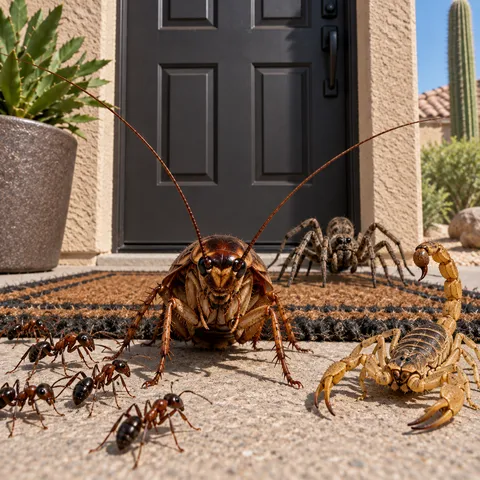
General Pest Control
Year-round protection against the everyday pests that show up in Phoenix Valley homes — ants, roaches, spiders, and the rest — with a recurring service plan built around your property.
Learn more about General Pest Control →
Commercial Pest Control
Scheduled pest management for Arizona restaurants, warehouses, offices, HOAs, and multifamily properties, built around inspection documentation and business hours.
Learn more about Commercial Pest Control →