
Mosquito Control
Source reduction and barrier treatment for the day-biting Aedes mosquitoes now established across Arizona, with extra focus on lake- and canal-adjacent properties.
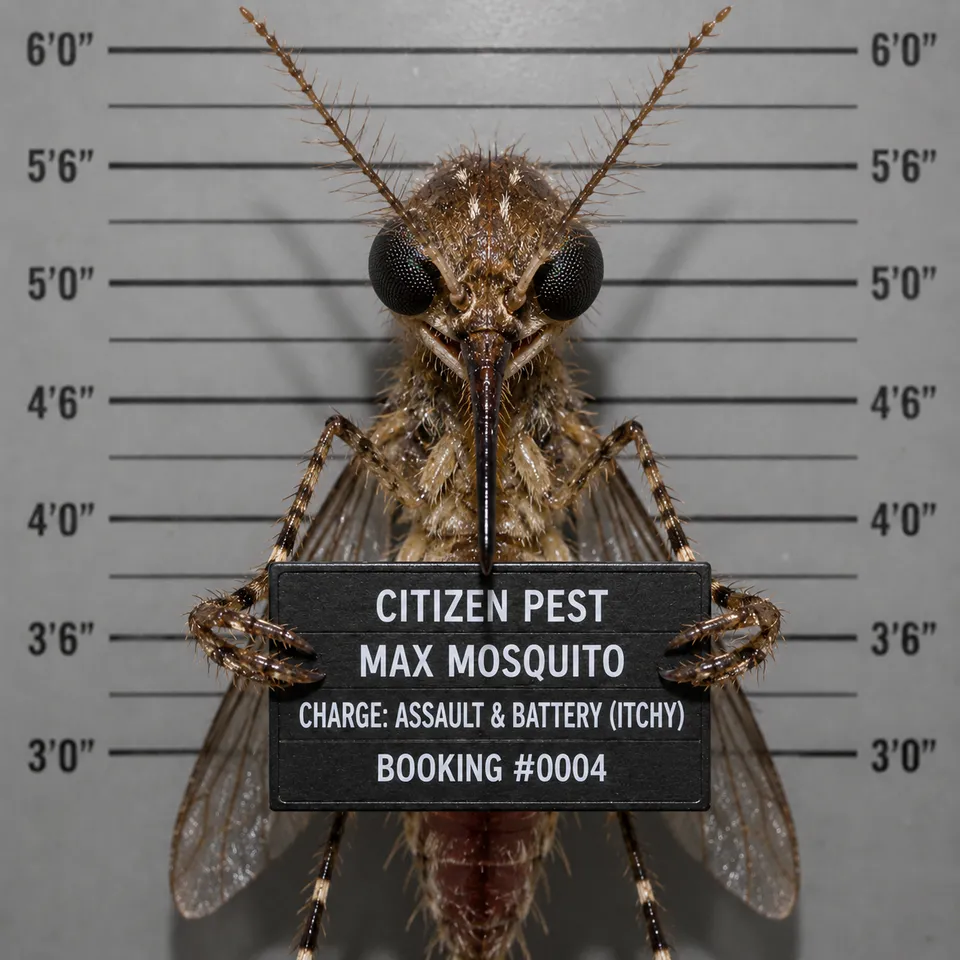
How mosquito control works
- 1
Find the breeding sites
Mosquitoes only need a bottle cap of standing water to breed, so we inspect pots, drainage, irrigation boxes, and other small water sources most homeowners walk past — not just the obvious pool or pond.
- 2
Treat standing water directly
Larvicide applied to water sources that can't be drained (retention basins, decorative water features) stops mosquitoes before they ever become biting adults.
- 3
Apply a barrier treatment
Landscaping, shaded resting areas, and vegetation around the yard get a residual barrier treatment to reduce adult mosquitoes landing and resting on your property.
- 4
Recheck after rain
New standing water shows up fast after monsoon storms — recurring visits catch new breeding sites before a fresh generation reaches biting age.


Pests covered
- Aedes aegypti (day-biting mosquitoes)
- Culex mosquitoes
Mosquitoes used to be a mostly dusk-and-dawn problem in the desert Southwest — that changed with the arrival and spread of Aedes aegypti, an invasive species now established across Arizona that bites aggressively during the day and breeds in almost nothing. A bottle cap of standing water, a saucer under a potted plant, a clogged gutter — all of it is enough.
Why “I don’t have standing water” usually isn’t true
Aedes mosquitoes need roughly a teaspoon to a bottle cap of water to complete a breeding cycle, and they favor small, easily overlooked containers over open ponds or pools. A thorough inspection checks the spots most homeowners never think to look — drainage boxes, irrigation valve covers, tarps, gutters, and anything that holds water for more than a few days.
Lake and canal properties need a different baseline
Community lakes, retention basins, and canal frontage — the kind of water features common in Gilbert’s neighborhoods and Chandler’s Ocotillo area — create a much higher, more constant mosquito baseline than a property a mile away with no nearby water. Treatment plans for these properties typically build in a standing mosquito reduction component rather than treating mosquitoes as a seasonal add-on.
Check if mosquito control is available at your address
Frequently asked questions
Why am I getting bit during the day now?
That's almost certainly Aedes aegypti, an invasive day-biting mosquito species that has become established across the Phoenix Valley over the past several years. Unlike the dawn/dusk-biting mosquitoes most people expect, Aedes bite aggressively during daylight hours and breed in tiny amounts of standing water — even a bottle cap or a saucer under a potted plant.
Do I need mosquito treatment if I don't have a pool?
Yes — Aedes mosquitoes don't need a pool or pond to breed. Pet water bowls, clogged gutters, drainage boxes, birdbaths, and even folds in a tarp can hold enough water to produce a new generation in about a week.
Is mosquito treatment worse for a property near a lake or canal?
Generally yes — properties near community lakes or canals (common in [Gilbert](/locations/gilbert-az) and [Chandler](/locations/chandler-az)) see more consistent pressure and usually need mosquito reduction built into their regular service rather than treated as an afterthought.
How long does a mosquito barrier treatment last?
TODO(Citizen): confirm your standard mosquito treatment interval and expected duration of effectiveness between visits.
Ready to get rid of mosquitoes for good?
Get a free, no-obligation quote in minutes.
Related services
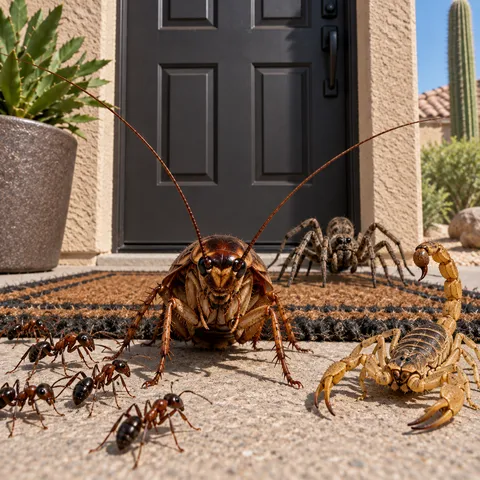
General Pest Control
Year-round protection against the everyday pests that show up in Phoenix Valley homes — ants, roaches, spiders, and the rest — with a recurring service plan built around your property.
Learn more about General Pest Control →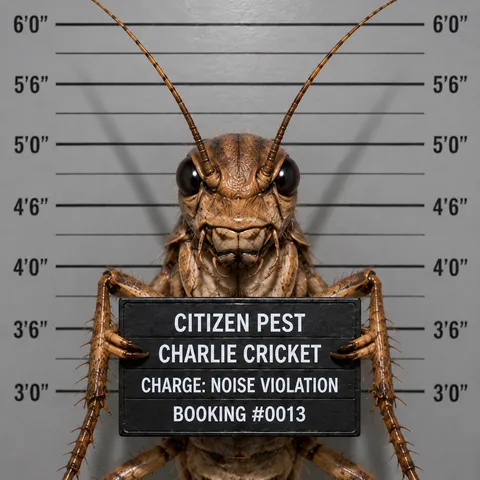
Cricket Control
Perimeter treatment for the field cricket swarms that show up around Arizona homes after monsoon rains, drawn in overwhelming numbers by exterior lighting.
Learn more about Cricket Control →