
Ant Control
Colony-level ant treatment for Arizona yards and homes — from odorous house ants trailing in along irrigation lines to native harvester ant mounds — instead of spraying the trail and leaving the colony intact.
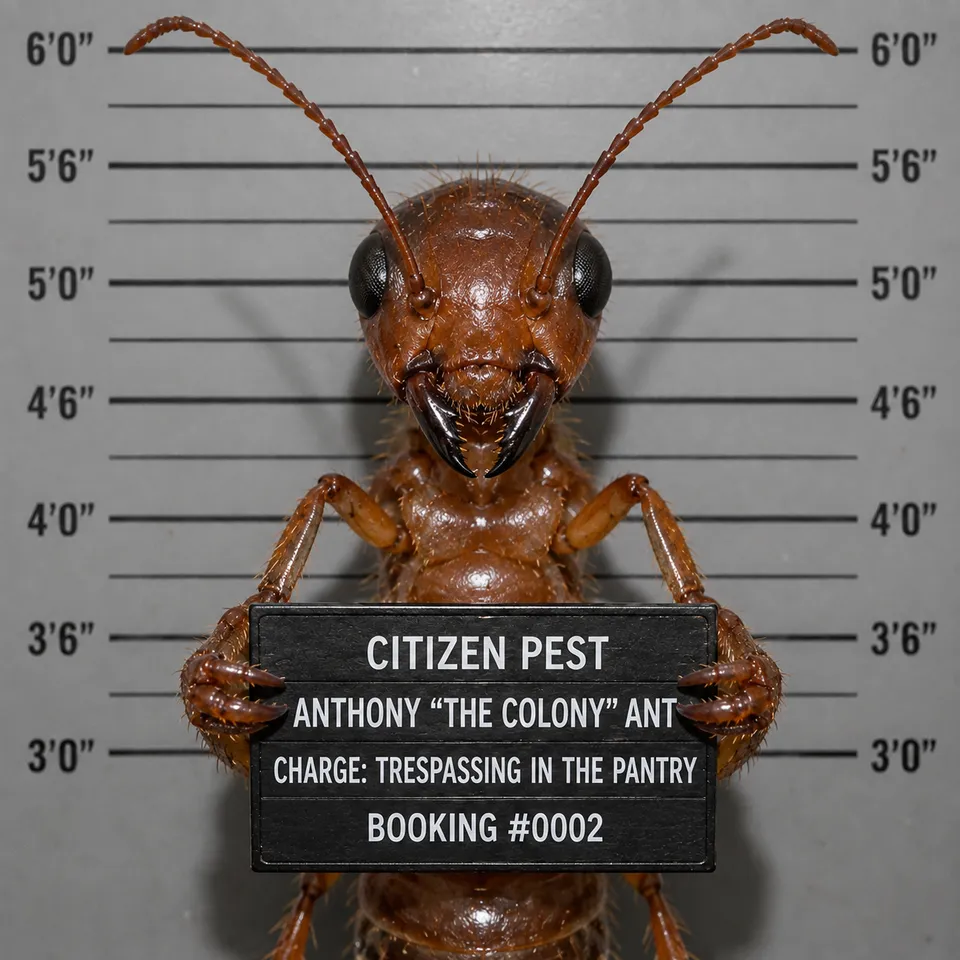
How ant control works
- 1
Trace the trail
We figure out the species to tell where the nest is. Then we follow visible trails back toward their source.
- 2
Bait the colony, not just the trail
Slow-acting bait carried back to the nest addresses the whole colony, including the queen.
- 3
Treat mounds directly
Harvester ant mounds get direct mound treatment, since they don't respond to trail baiting. Taking out ants at the source keeps them out of your house.
- 4
Seal entry points
Exterior gaps around plumbing, expansion joints, and irrigation lines get sealed. Ant control isn't just about pesticides, it's long term prevention.


Pests covered
- Odorous house ants
- Pavement ants
- Harvester ants
- Pharaoh ants
Most ant problems in the Valley aren’t actually a “spray the trail and you’re done” situation — they’re a colony problem. Odorous house ants and pavement ants trail in along irrigation lines and expansion joints looking for moisture and food, and treating only the visible trail leaves the colony that sent them completely intact. Harvester ants, a native desert species with a genuinely painful sting, build mounds in yards and landscaping and need a different approach entirely.
Trail ants vs. mound ants
House-invading trail ants respond well to bait: foragers carry it back to the colony, which addresses the whole population including the queen, not just the ants you can see. Harvester ants don’t forage the same way and build a single, identifiable mound — those get treated directly at the mound rather than through bait stations.
Where ant pressure comes from in the Valley
Irrigation is the biggest driver. Drip lines, sprinkler heads, and consistently watered landscaping create the moisture gradient that draws ants toward a structure, especially during the hottest, driest stretches of summer when natural moisture sources dry up elsewhere. Properties with heavier irrigation — see Gilbert and Chandler, both known for lake-front and canal landscaping — tend to see more consistent ant pressure than drier, desert-edge properties.
Check if ant control is available at your address
Frequently asked questions
Why do ants show up after I water my plants or lawn?
Many of the ants common to the Valley, especially odorous house ants, are drawn to moisture as much as food. Irrigation lines, drip systems, and freshly watered landscaping create exactly the conditions that pull colonies toward a house.
Are harvester ants dangerous?
Harvester ants deliver one of the more painful stings of any Arizona ant and will defend their mound aggressively if disturbed. Mounds near patios, play areas, or walkways are usually worth treating directly rather than leaving alone.
Will spraying the ants I see get rid of the colony?
Usually not — spraying visible trail ants kills foragers but leaves the colony (and the queen) untouched, so activity typically returns within days. Bait that foragers carry back to the colony is far more effective for house-invading species.
How often does ant control need to be repeated?
TODO(Citizen): confirm whether ant control is typically bundled into your recurring general pest plan or handled as a standalone treatment/re-treatment schedule.
Ready to get rid of ants for good?
Most Citizen customers get rid of ants for good at $79 a month.
Related services
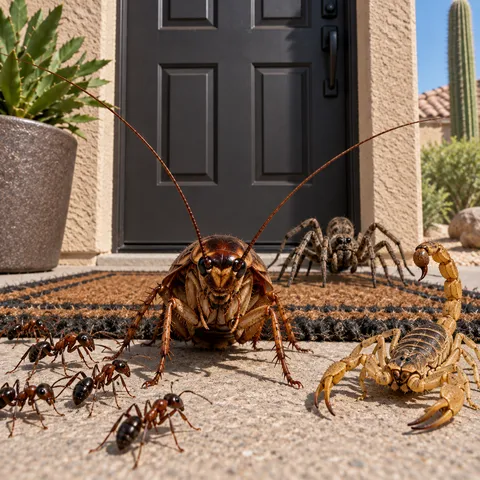
General Pest Control
Year-round protection against the everyday pests that show up in Phoenix Valley homes — ants, roaches, spiders, and the rest — with a recurring service plan built around your property.
Learn more about General Pest Control →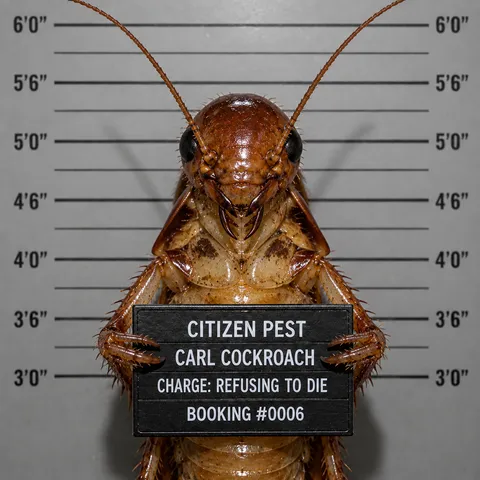
Cockroach Control
Targeted treatment for the two roaches that actually show up in Phoenix homes — American roaches coming up through drains and German roaches hitching a ride into kitchens — with baiting built around where each one actually lives.
Learn more about Cockroach Control →