
Bird Control
Humane exclusion for pigeons, sparrows, and grackles on Arizona homes and commercial properties — netting, spikes, and deterrents rather than lethal control.
How bird control works
- 1
Identify roosting and nesting sites
Ledges, signage, parking structures, and eaves get inspected to find exactly where birds are roosting or nesting, since deterrents only work when placed at the actual problem site.
- 2
Install physical exclusion
Netting, spikes, or wire deterrent systems are installed at roosting sites, sized and placed for the species involved — what works for pigeons on a ledge isn't the same as what works for sparrows nesting in signage.
- 3
Clean and sanitize
Droppings from established roosts are cleaned and the area sanitized, since accumulated droppings are both a slip hazard and a health concern on commercial walkways and parking structures.
- 4
Monitor for new activity
Birds are persistent about returning to a preferred roosting spot, so follow-up checks confirm exclusion is holding, especially at commercial properties with ongoing pressure.


Pests covered
- Pigeons
- House sparrows
- Grackles
Bird control looks different from most pest services for one big reason: most of the birds involved — sparrows especially — are legally protected, which means the goal isn’t removal, it’s making a roosting or nesting site unattractive or physically inaccessible. Citizen Pest Control installs netting, spikes, and deterrent systems sized to the species and the site, then cleans up what’s already accumulated.
Different birds, different approaches
Pigeons tend to favor flat ledges and roof lines and respond well to spike systems or netting. Sparrows nest in small gaps — signage, eaves, light fixtures — and usually need exclusion at the specific opening rather than a broad deterrent. Grackles roost communally in trees or on structures in large, noisy groups, and are typically managed with deterrents at the roosting site rather than individual exclusion.
Droppings are more than a cosmetic problem
Accumulated bird droppings on walkways, parking structures, and ledges create a genuine slip hazard and, over time, a health and corrosion concern — droppings are acidic and can damage roofing and structural finishes if left to build up. Cleanup and sanitization is part of resolving an established roost, not an optional add-on.
Check if bird control is available at your address
Frequently asked questions
Can you just remove the birds instead of installing deterrents?
Most native birds — including sparrows and many others common to the Valley — are protected under federal and state law, which limits lethal control and makes exclusion (making a site unattractive or inaccessible) the standard, legal approach rather than removal.
Why do grackles seem to show up in huge numbers?
Grackles are highly social and roost communally, often in large numbers in trees or on commercial structures, especially in urban and suburban parts of the Valley. Large roosts are more of a noise and droppings management issue than a structural one, and are addressed with deterrents at the specific roosting trees or structures.
Is bird control mostly a commercial service?
It's common at both — pigeons on residential patio covers and sparrows nesting in eaves are frequent residential calls, while ledges, signage, and parking structures are the most common commercial requests. See [commercial pest control](/services/commercial-pest-control) for property and facility-level service.
How long does bird exclusion last?
TODO(Citizen): confirm expected lifespan of netting/spike installations and your maintenance/warranty terms so this answer reflects real guidance.
Ready to get rid of birds for good?
Get a free, no-obligation quote in minutes.
Related services
Rodent Control
Exclusion-first rodent control for Arizona homes — roof rats in mature citrus trees, pack rats at the desert edge, and house mice year-round — built around sealing entry points, not just trapping.
Learn more about Rodent Control →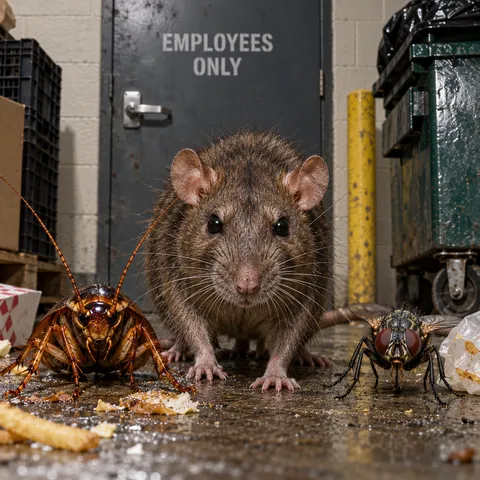
Commercial Pest Control
Scheduled pest management for Arizona restaurants, warehouses, offices, HOAs, and multifamily properties, built around inspection documentation and business hours.
Learn more about Commercial Pest Control →