
Rodent Control
Exclusion-first rodent control for Arizona homes — roof rats in mature citrus trees, pack rats at the desert edge, and house mice year-round — built around sealing entry points, not just trapping.

How rodent control works
- 1
Inspect for entry points and activity
Roofline gaps, attic vents, utility penetrations, and foundation gaps get checked, along with droppings, gnaw marks, and nesting material that indicate which species and how active the problem is.
- 2
Seal entry points
A mouse can fit through a gap the size of a dime, and a rat through a gap the size of a quarter — exclusion work closes what we find, since trapping alone without sealing entry points just means new rodents replace the ones removed.
- 3
Trap and remove
Traps are placed along known travel paths — attics, wall voids, garages — targeted to the specific species and activity level found during inspection.
- 4
Monitor and follow up
Recurring checks confirm exclusion work is holding and catch new activity early, especially important for properties near mature trees or open desert where pressure is constant.


Pests covered
- Roof rats
- Norway rats
- House mice
- Pack rats
A rodent problem that’s only trapped and never sealed tends to come back — new rats or mice simply move into the same entry points the last ones used. Citizen Pest Control’s rodent program leads with exclusion: finding and closing the gaps rodents are actually using, then trapping and monitoring on top of that, not instead of it.
Roof rats vs. ground-level rodents
Roof rats behave differently from Norway rats and house mice — they favor elevated travel routes (power lines, fence tops, tree canopy) and nest above ground rather than in burrows. That matters for where exclusion work needs to focus: rooflines, attic vents, and eaves matter more for roof rats than foundation-level gaps.
Desert-edge properties see a different rodent entirely
Pack rats are a distinct issue from the roof rats and house mice found in denser, more established neighborhoods. They’re a native species that builds large, visible stick nests and tends to show up more on properties bordering open desert — see Queen Creek and San Tan Valley — than in older, built-out suburbs.
Check if rodent control is available at your address
Frequently asked questions
Why do I have roof rats specifically?
Roof rats are drawn to mature trees — citrus especially — where they nest overhead and travel along power lines and fence tops rather than at ground level. Older, established neighborhoods with mature landscaping (see [Mesa](/locations/mesa-az) and [Chandler](/locations/chandler-az)) see more roof rat pressure than newer communities with young trees.
Is trapping alone enough to solve a rodent problem?
Rarely on its own. Trapping removes the rodents that are already inside, but without sealing the entry points they used to get in, new rodents typically move in within weeks. Exclusion is what makes trapping actually stick.
Are pack rats different from house rats?
Yes — pack rats (also called woodrats) are a native desert species that build large stick nests, often under decking, in sheds, or inside vehicle engine compartments, and are more common on properties bordering undeveloped desert than in dense, established neighborhoods.
How do I know if I have mice versus rats?
TODO(Citizen): add guidance here on distinguishing droppings/signs (mouse droppings are roughly rice-grain sized; rat droppings are noticeably larger) so homeowners can self-assess before a visit.
Ready to get rid of rodents for good?
Get a free, no-obligation quote in minutes.
Related services

General Pest Control
Year-round protection against the everyday pests that show up in Phoenix Valley homes — ants, roaches, spiders, and the rest — with a recurring service plan built around your property.
Learn more about General Pest Control →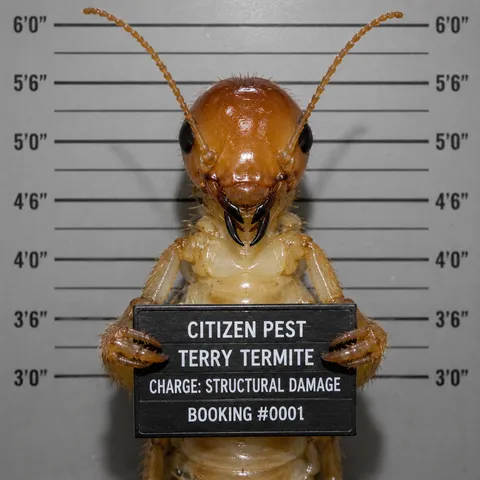
Termite Control
Subterranean termite treatment and inspection for Arizona homes, from soil treatment and baiting systems to swarm-season inspections after spring rain.
Learn more about Termite Control →