
Termite Control
Subterranean termite treatment and inspection for Arizona homes, from soil treatment and baiting systems to swarm-season inspections after spring rain.
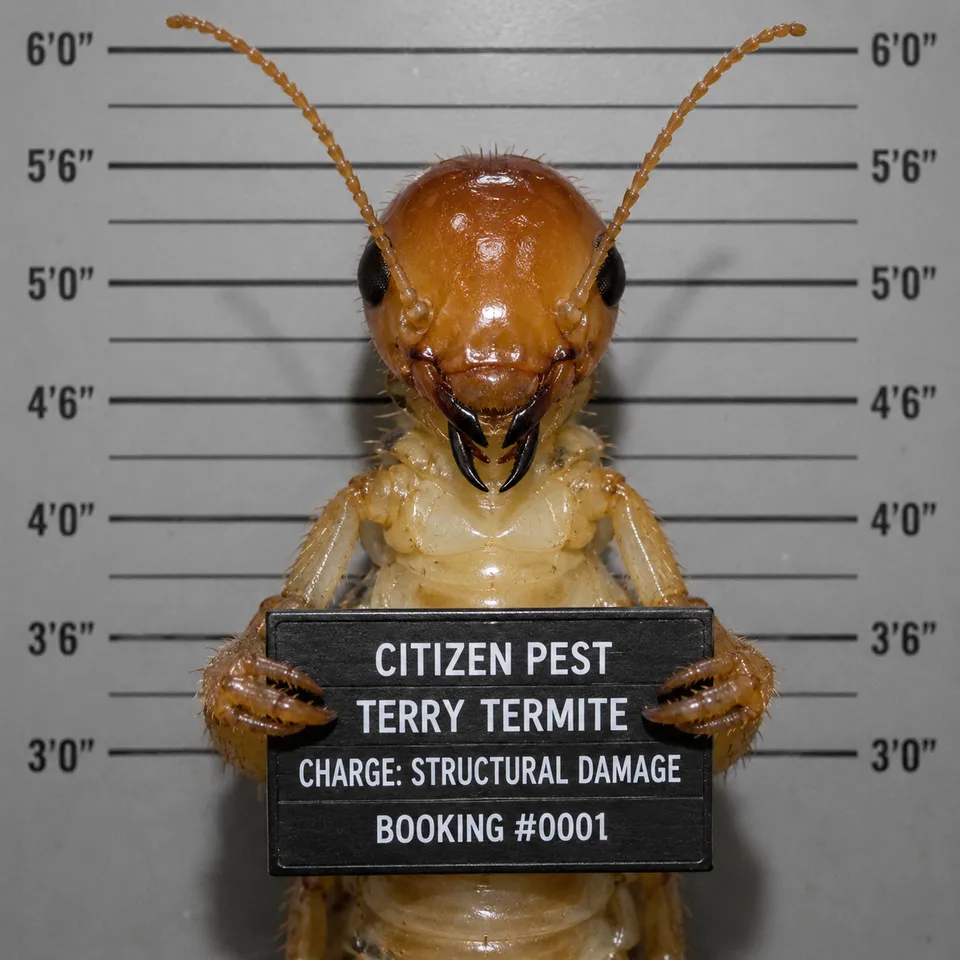
How termite control works
- 1
Inspect the full structure
Foundation, crawlspaces, wood-to-soil contact points, and areas near irrigation get checked for mud tubes, damaged wood, and other signs of active or past termite activity.
- 2
Treat the soil barrier
A liquid termiticide barrier is applied around the foundation, creating a treated zone subterranean termites can't cross undetected to reach the structure.
- 3
Install a baiting system where appropriate
In-ground bait stations placed around the perimeter intercept foraging termites and carry a slow-acting treatment back to the colony — often paired with soil treatment for full protection.
- 4
Monitor and re-inspect
Termite activity is monitored on a recurring schedule, with extra attention during spring swarm season, when new colonies are most likely to establish nearby.


Pests covered
- Subterranean termites
- Drywood termites
Subterranean termites are the species that matters most for Phoenix Valley homes — they live in the soil, build mud tubes to reach wood above ground, and can cause serious structural damage well before most homeowners notice anything’s wrong. Citizen Pest Control’s termite program combines a soil treatment barrier with baiting where appropriate, and inspects on a recurring schedule rather than treating it as a one-time fix.
Mud tubes are the tell
The clearest sign of active subterranean termite activity is a mud tube — a narrow, pencil-width tunnel of packed soil running up a foundation wall, support post, or other wood-to-soil contact point. Termites build these to travel between the soil and their food source while staying protected from open air and predators, which is also why damage can progress for a long time before it’s visually obvious without a trained inspection.
Why new construction isn’t automatically protected
It’s a common assumption that a newly built home doesn’t need to worry about termites for years. In practice, fresh irrigation and young landscaping on a new lot create moisture conditions that can draw subterranean termites in earlier than expected — new construction is not inherently termite-resistant, and an early inspection or pre-treatment is worth considering rather than waiting.
Check if termite control is available at your address
Frequently asked questions
How do I know if I have termites versus just old wood damage?
Active subterranean termite activity usually shows mud tubes — pencil-width tunnels of packed soil running up a foundation or support post — plus wood that sounds hollow when tapped. Old, dry damage with no mud tubes may be from a past, already-treated infestation, but it's worth a professional inspection to confirm either way.
What time of year is termite swarm season in the Valley?
Subterranean termite swarms in the Phoenix area typically follow spring rains, often triggered by warm, humid conditions after a storm. Seeing winged termites (or their discarded wings) around windows, doors, or light fixtures during this window is a common first sign of a new colony nearby.
Does a new home need termite protection?
Fresh irrigation and landscaping on newly built lots can actually draw subterranean termites earlier than homeowners expect — new construction isn't inherently protected. A pre-treatment or early inspection is worth considering even on a recently built property.
Do you offer an annual termite inspection?
TODO(Citizen): confirm whether you offer a standalone annual inspection/warranty product so this answer reflects your actual service offering.
Ready to get rid of termites for good?
Get a free, no-obligation quote in minutes.
Related services
General Pest Control
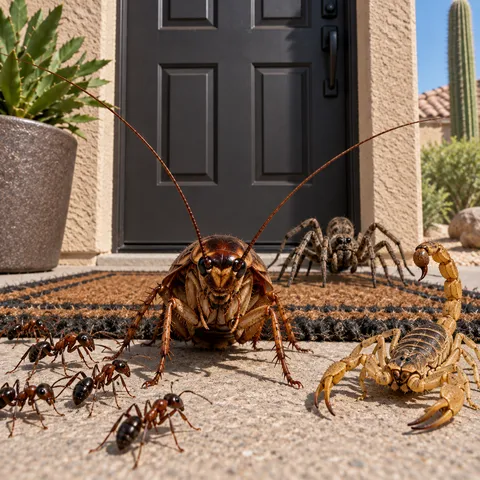
Year-round protection against the everyday pests that show up in Phoenix Valley homes — ants, roaches, spiders, and the rest — with a recurring service plan built around your property.
Learn more about General Pest Control →
Rodent Control
Exclusion-first rodent control for Arizona homes — roof rats in mature citrus trees, pack rats at the desert edge, and house mice year-round — built around sealing entry points, not just trapping.
Learn more about Rodent Control →